Master Crucial Commands: Efficient Dog Educating Made Easy
Efficient dog training is a fundamental aspect of responsible family pet possession, and understanding important commands functions as the foundation for a harmonious partnership between trainer and canine. Commands such as "Sit," "Stay," and "Come" not only help with communication but also advertise a more secure atmosphere. Employing positive support methods can boost the knowing experience, yet several encounter challenges in attaining constant results. Comprehending the subtleties of canine behavior and the training process is crucial; however, the journey to a trained pet typically provides unanticipated obstacles that require interest. What strategies can truly change these difficulties into chances for growth?
Recognizing Your Dog's Behavior
To grasp the subtleties of reliable canine training, it is important to break down and analyze your pet dog's behavior. Dog training. Recognizing the inspirations behind your canine's activities is critical; habits can come from reaction, fear, enjoyment, or a desire for focus. By observing your pet in numerous circumstances, you can determine patterns that may indicate underlying feelings or requirements
For example, a pet dog that barks exceedingly might be expressing boredom, anxiousness, or a requirement for social communication. Conversely, a canine that exhibits devastating habits may be looking for stimulation or remedy for stress. Acknowledging these triggers enables you to tailor your training strategy efficiently.
In addition, it is vital to consider the pet dog's breed features, as they can influence habits substantially. Some types are predisposed to particular attributes, such as herding or securing reactions, which can affect their reactions to particular stimuli.
Finally, uniformity in your feedbacks to your pet's habits fosters a far better understanding in between you and your family pet. This mutual comprehension is fundamental for developing trust fund and promoting an efficient training process that nurtures both behavior improvement and favorable reinforcement.
Crucial Commands to Show
Teaching crucial commands is a fundamental aspect of efficient canine training, providing the foundation for a well-behaved and responsive animal. These commands not only boost communication between the owner and the dog however also make sure safety and security in different environments.
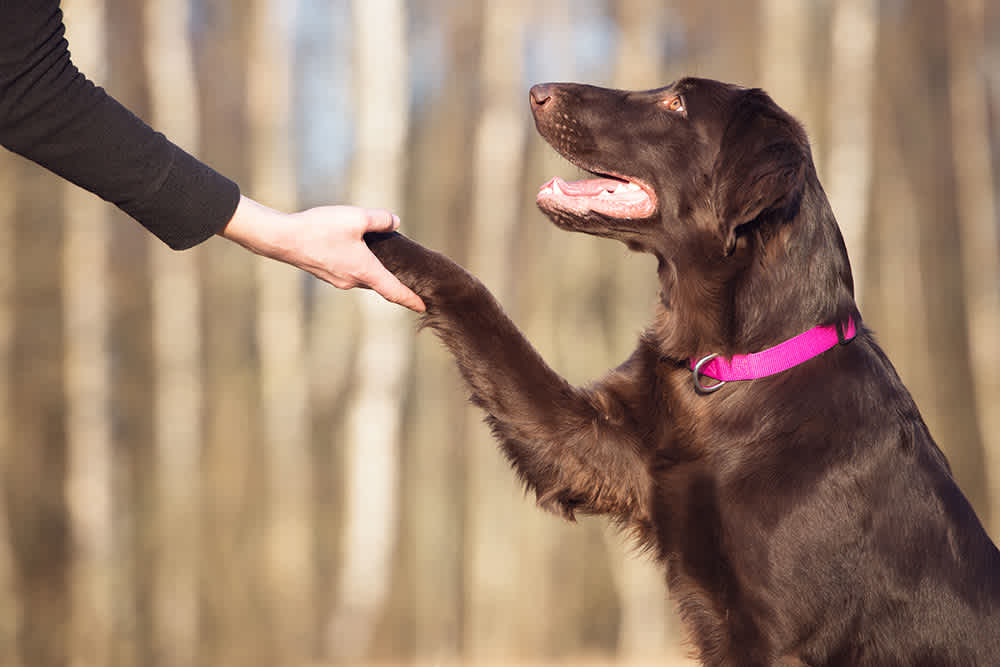
One of the most critical commands consist of "Sit," which encourages your canine to stay fixed and tranquil; "Keep," which enhances the concept of continuing to be in one area until released; and "Come," which is crucial for recalling your pet dog from potentially unsafe circumstances. "Down" educates canines to relax, promoting leisure and control, while "Leave it" aids stop pet dogs from grabbing hazardous or unwanted things.
" Heel" is one more crucial command that motivates your pet dog to stroll very closely beside you, improving leash manners. "No" offers as a vital boundary-setting command, helping to fix undesirable behaviors.
Training Techniques for Success
Effective pet dog training relies heavily on utilizing a have a peek at these guys range of methods that accommodate both the dog's understanding style and the proprietor's training objectives. One essential approach declares support, which entails rewarding preferred actions with treats, praise, or play. This approach urges the pet to duplicate those behaviors, fostering a strong bond between proprietor and animal.

An additional reliable method is clicker training, where a distinct sound, made by a remote control, marks the specific minute a canine executes a desired action. This accurate timing aids canines associate the actions with the incentive, improving their understanding.
Consistency is vital in all training methods. Developing clear commands and preserving the same cues helps the dog understanding assumptions much more swiftly. In addition, brief, engaging training sessions stop dullness and increase retention.
Incorporating socializing chances is also essential. Subjecting pets to different settings, individuals, and other pets helps them create confidence and versatility.
Last but not least, persistence plays a considerable function in successful training - Dog training. Each dog discovers at their own speed, and understanding this can result in an extra delightful training experience for both the owner and the canine. Executing these methods will certainly set the foundation for effective canine training
Common Challenges and Solutions
Despite the finest training methods, dog owners often run into usual difficulties that can impede progress. One common concern is incongruity in commands and cues. When family members make use of various commands for the very same actions, it puzzles the pet dog, causing irregular reactions. The service depends on developing a unified technique among all member of the family, making sure that every person utilizes the very same terms and signals.
In addition, some pets might exhibit stubbornness or lack inspiration. This can often be resolved by incorporating positive reinforcement techniques, such as deals with or praise, to encourage wanted actions. Customizing benefits to what your dog locates most motivating can considerably boost their interaction.
Lastly, fear or anxiety can restrain progress in training. Identifying signs of stress and adjusting the training pace appropriately is essential. Employing steady direct exposure to been afraid stimulations can help build self-confidence over time, facilitating a more effective training look at more info experience.
Keeping Consistency and Persistence
Consistency and persistence are extremely important in canine training, as they create the structure for accomplishing long lasting behavioral modifications. Pets thrive on regular and clear assumptions; therefore, preserving a regular method in commands, benefits, and corrections is essential.
Similarly essential is the function of persistence. Training a pet dog is not an immediate procedure; it requires time and repetition. Pet dogs, just like human beings, have differing discovering paces and may not comprehend commands right away. Trainers must recognize this and continue to be tranquil, giving inspiration instead than frustration. Positive support plays a vital function below, rewarding wanted actions and aiding to promote a relying on relationship between the dog and fitness instructor.
Conclusion
Understanding necessary commands is fundamental to reliable pet training, promoting improved communication and enhancing favorable habits (Dog training). Inevitably, a trained pet not only exhibits excellent behavior yet also establishes confidence, contributing to an unified connection in between the canine and its proprietor.